Oregon City homes live at the junction of Pacific Northwest rainfall, winter ices up, and hillside terrain. That mix is rough on plumbing. I have walked into crawl spaces where a hairline split in a copper line turned a neat foundation right into a mud pit within hours, and I have actually seen relatively minor ceiling discolorations that concealed a burst PEX joint spilling a gallon a min right into insulation. A burst pipeline hardly ever looks remarkable at first. The water hides in wall surfaces, slabs, and dirt, after that discloses itself through ideas that are very easy to disregard till the repair grows larger and even more expensive.
If you want to catch a ruptured prior to it digestive tracts your drywall or fastenings your wood, pay attention to what your home is informing you. The indications below come right from area operate in Clackamas Region, from 1920s bungalows downtown to 1990s growths up the hill. Along the road, you will certainly locate judgment phone calls, side situations, and a handful of numbers to help you determine when to require ruptured pipeline repair and when to see and wait.
Why ruptured pipelines happen here
Local conditions form pipes issues. In Oregon City and nearby neighborhoods, three factors drive most ruptures.
First, freeze-thaw cycles. We do not obtain weeks of subzero temperature levels, but we do obtain shock cold snaps, typically after a wet week that fills dirt and fills up subjected lines. Water increases when it ices up by about 9 percent, which growth presses pipe walls until something offers. Outside spigots, uninsulated crawl room lines, and pipes in outside walls are the usual targets after those overnight freezes that dip into the 20s.
Second, pressure. City water pressure varies by area, altitude, and time of day. I have actually gauged 95 to 110 psi in numerous Oregon City homes uphill from the river. Many household plumbing is happiest at 50 to 60 psi. Running hot tubs, irrigation, and several home appliances at high stress accelerate wear on installations and can transform a pinhole into a split. If your pressure-reducing valve is stopping working, the remainder of your system spends for it.
Third, activity and corrosion. Older copper pipelines near the Willamette bluff commonly rest on steel wall mounts that loosen up. Resonance from washing equipments and dishwashing machines pushes in need of support spans up until they massage on wood or nails. Galvanized steel, usual in mid-century homes, rusts inside until the staying path is narrow and weak. Include a bit of water hammer, and you obtain a rupture at the thinnest point.
Knowing these causes helps decode the indicators. A ruptured from freezing behaves differently than one from a failed installation under constant pressure. Keep that in mind as you read the symptoms.
The sound that quits plumbing technicians mid-step
Your ears can locate a burst faster than your eyes. With fixtures off, stand in a peaceful part of your house and listen near suspect locations. A consistent hiss or reduced rush behind a wall, in a cabinet, or with a floor air vent commonly indicates pressurized water leaving from a line. The tone matters. A hiss with no component running indicate a supply line leakage. A drip or periodic flow could be a drainpipe problem, which is unpleasant yet not a ruptured under pressure.
In crawl areas, the soundtrack modifications. I have actually bent on joists at midnight and heard a far trickle like moisten leaves, just to find a split PEX arm joint misting a fan of water throughout insulation. If you listen to that, do not wait. Turn off the primary and begin the search.
Edge instance: after hefty rainfall, downspouts and footing drains can mimic a leakage inside wall dental caries. The giveaway is timing. If the noise reoccurs with showers and stops an hour after the rainfall ends, it may not be a burst. If it never stops, that is an indication your supply line is feeding the noise.
Cold floors, warm ceiling spots, and other clues from surfaces
Water changes surfaces long before it swimming pools. Floorings, ceilings, and walls quietly change temperature level and structure. On ceramic tile floorings, a cozy zone roughly the dimension of a supper plate could indicate a radiant heat line leakage, specifically in homes with hydronic systems running through the piece. Alternatively, on winter season days, a sector of hardwood that really feels cooler under bare feet may be wicking evaporative moisture from below.
Ceiling stains tell tales. A light ring that grows darker at the edges points to recurring wetting. New stains commonly look clouded, not yellow yet, and feel cooler to the touch also when the area is warm. Touch nearby drywall, not just the facility of the stain. If the edges feel mushy, the leakage has actually been active for at the very least a day or two. In a kitchen area, a tarnish along a beam typically indicates a split in a supply line feeding an upstairs washroom, normally at a toilet or tub shutoff. Gravity routes the water along framing until a nail hole or seam lets it through.
Walls can bubble paint or peel off tape joints in unexpected areas. I have actually mapped an utility room supply burst to a hallway sore ten feet away. Water complies with the course of the very least resistance, which rarely equals a straight line. When doubtful, map the instructions with a pin. If a pin pushed gently right into the bubble launches water and the wet area increases upward or sidewards against gravity, you have pressure. That is a burst pipe issue, not mere condensation.
Running water meter, silent house
Your water meter does not lie. It is the solitary best tool a house owner has to confirm a concealed burst. Locate the meter box at the curb or pathway. A lot of meters have a little triangular or star-shaped leakage indication. With every fixture off, see that dial for 2 minutes. If it rotates, even gradually, you have a continuous flow. In a typical home without irrigation running, any type of movement when all fixtures are closed indicate a leak.
Numbers help. A great split in a half-inch copper line can lose 0.5 to 2 gallons per minute at 60 psi, relying on the length of the crack. That is 30 to 120 gallons an hour. On a water bill, even a slower leak turns up as an additional 2,000 to 5,000 gallons in a month. If your winter months and summertime use made use of to be within a few hundred gallons and unexpectedly jump by a few thousand without any adjustment in house size or watering, the mathematics favors a burst.
Do not count on smart appliances to tell you everything is regular. I have actually seen refrigerators with auto-shutoff on the supply line and a burst fifty feet away that competed 2 days because the refrigerator was fine. Depend on the meter initially, after that your fixtures.
Puddles, but not where you expect
Obvious puddles are rare unless a pipeline fully fractures. More frequently, water turns up where nobody thinks piping. In Oregon City, sloped great deals route water under foundations and out through vents. I have seen water in a garage regardless of a completely dry ceiling because the pipe burst in a shower room wall and the water followed the piece development joint.
Check these unlikely places:
- The base of exterior walls on the downhill side of your home, specifically near tube bibs and sill plates. Inside kitchen toe-kicks, which can merge quietly up until they warp. Around furnace systems and hot water heater, because plumbing technicians typically run lines nearby. Condensation frying pans camouflage energetic leaks. Closet corners adjacent to bathrooms, where carpet really feels trendy and marginally damp without noticeable discoloration. A handheld infrared thermostat is handy right here. An abrupt trendy place in an indoor wall surface typically points to dissipation from a leak.
That last device, a basic IR thermometer, costs less than a tank of gas and can reduce your search. It is not a leakage detector, but the surface area temperature level differences it reveals often lead you to the ideal stud bay.
Short biking and stress changes
Burst pipeline repair service calls frequently start with a remark like, "Our shower stress tanked this morning." When a supply line splits, you lose stress downstream. In homes with pressure-reducing valves, the system occasionally hunts, opening up wider to make up. Faucets hiss or sputter as air enters lines through the tear. If your toilet fill valves all of a sudden get loud or your cleaning equipment's fill takes longer with no local notice of minimized service, presume a leak.
On hydronic heating unit, a fractured line or fitting shows up as the boiler short biking. The stress scale drops as makeup water sneaks in regularly, and the system runs even more to keep temperature level. Radiant zones that used to be dead quiet beginning gurgling as air enters. If your piece instantly develops a hairline crack that really feels damp and warm, and your central heating boiler's pressure alleviation leaks, those three signs and symptoms with each other highly support a ruptured in the radiant circuit.
The odor that lingers
Clean water must smell like nothing. Ruptured supply lines sometimes get smells as they saturate building materials. If you stroll into a room and smell damp paper, wonderful drywall paste, or a mildewy tip regardless of recently running a dehumidifier, keep looking. A particularly sharp, metal tang can come from a copper leakage moistening dust and oxidation, particularly in older crawl spaces. Alternatively, a sewage smell points to a drain issue, not a pressurized ruptured, unless the rupture is in a consolidated waste and vent system. A lot of Oregon City homes different those systems, so a sewer smell generally rules out a supply ruptured and factors you towards a different repair.
Winter informs: frost, ice collars, and spigot surprises
After a night in the 20s, step exterior and check exterior faucets and exposed lines. A spigot that does not run or dribbles might have a split inside the wall, upstream of the frost-free area. Search for frost or ice collars on the pipe where it fulfills the home siding. If the sun hits that area and you hear a gurgle in the wall surface a few mins later, shut down the water and open up the faucet to alleviate stress. I have opened up walls to find an ideal longitudinal split in copper, four inches long, brought on by cold within a foot of the outside. These divides do not trickle. They spray the moment the line re-pressurizes, which indicates they can run intermittently as the line defrosts and refreezes.
Garage hose pipe bibs are worthy of additional analysis. They go through badly protected walls, and the heat from vehicles keeps the area just warm adequate to fool home owners into thinking the danger is low. If a bib manage rotates even more freely than normal after a freeze, think damages. Repressurizing without a check wastes hours and fuels hidden flooding.
What your crawl area is attempting to inform you
Crawl spaces in our area range from tight to roomy, dry to marshy. They are likewise where several supply lines travel. A burst under there may not generate standing water if the dirt is sandy or sloped. Instead, seek moist, dark stripes where joists cast shadows on wet dirt or on the vapor barrier. That pattern, a series of identical darker lines, is timeless for mist or spray that drops like rain on a little area. The joists obstruct the spray, leaving drier strips under the timber. An uniform wet sheet, by comparison, indicate ground wetness or a slow-moving seep spread over time.
Listen for humming. An usual giveaway is a mild hum as water under pressure squirts with a small split. It sounds like a far-off insect. That noise is vibration in the pipeline itself, not constantly audible upstairs, however clear under your house. Bring a headlamp, knee pads, and patience. Safety first: if you smell gas or see electric lines sagging near dampness, back out and call a pro.
When it is not a ruptured pipe
Misdiagnosis takes place. Below prevail false trails that masquerade as burst piping.
Condensation on chilly water lines in summer can trickle sufficient to wet ceilings listed below, especially below washrooms. If the water shows up just on hot days with showers and disappears in completely dry seasons, cover the cold lines with foam insulation and monitor. No requirement to tear apart a ceiling yet.
Roof leakages imitate plumbing bursts with spots and drips near lights. Usage timing once again. Roof leakages align with tornados and wind direction. They frequently show up after hours or days of rain, not just when water is running within. Look at the stain shape. Roof leaks usually leave elongated tracks along rafters towards the eave.
Appliance drainpipe failings can saturate floors and walls without any pressurized leak. A fractured washing machine drain tube, a dish washer air void clog, or a refrigerator thaw line can release cups to gallons intermittently. If the meter does not move when components are off, go after drains first.
Immediate steps to restrict damage
Speed issues when you suspect a ruptured. The initial activities make the most significant difference out of commission costs.
- Shut off the main water, after that open up the most affordable and greatest faucets to drain pipes stress. If you have a hot water heater, turn the breaker or establish the gas control to pilot so you are not shooting a dry tank. Protect electrical. If water is near electrical outlets or fixtures, shut off influenced circuits at the panel. Do not stand in water to do this. Document with pictures and brief video clips. Insurance policy adjusters value timestamps and context. Capture meter motion if possible. Start controlled drying out. Establish fans to relocate air throughout wet surface areas, not right right into tooth cavities where you might push moisture deeper. Dehumidifiers help, particularly in tiny areas. Stay clear of direct heat on wood, which can warp boards faster. Call for expert ruptured pipe repair service and inquire about short-term bypasses. An excellent plumbing professional can isolate an area, cap a branch, or mount a fast repair service coupling to recover partial service while preparing a long-term fix.
This is the only list of action in this post. Every little thing else take advantage of nuance, yet in an emergency, quality wins.
Choosing repair methods in Oregon City homes
Repair options rely on pipeline material, gain access to, and long-term plans. Old copper in a limited crawl area invites place fixings that increase with time. I have changed sections of Kind M copper in 5 visits to the same residence because each wintertime revealed a brand-new powerlessness. In those situations, a repipe pays for itself by preventing repeat damages. PEX A with expansion fittings carries out well right here, particularly when lines are sleeved and avoided UV exposure.
For a single split in copper, a sweat combining works if the pipeline is tidy and completely dry. That last part reduces numerous do it yourself attempts. Water left in the line boils under the lantern and impacts change out of the joint. A pipeline freezer or a risk-free, temporary plug upstream can purchase the dry line you need. In wetter conditions, a compression repair work combining is a reliable option, though you need enough straight pipe to seat the ferrules. Avoid push-to-connect fittings in crawl rooms where resonance and temperature level swings are common unless you can protect the line and adhere to maker specs exactly. They can be a lifesaver for short-term reconstruction, however I do not leave them in unattainable dental caries without gain access to panels.
For PEX, replace the harmed size rather than piling couplings. Stress focuses at installations. If rats are the reason, mount guards and reroute lines far from chew courses. I have pulled PEX via extra channels from the mechanical space to restrooms in 2 hours, conserving a ceiling from demolition.
Radiant piece leakages demand even more planning. Thermal imaging can find the best path, yet identify accuracy usually needs pressure testing zones separately. If you capture it early, you may abandon one loop and increase flow via the continuing to be ones, accepting a little cold area rather than breaking concrete. Not ideal, yet a valuable concession in finished spaces.
The cost curve you really control
Homeowners often request for numbers. Every house is various, yet you can control the expense curve with a few choices.
Time to shutoff: reducing water within 15 minutes of discovery can indicate the difference in between a localized drywall spot and a full ceiling replacement. A split spraying behind a vanity can fill up a 10 by 12 area with an inch of water in under an hour. Shut off initially, explore second.
Access method: opening a cool 12 by 12 hole straight over the suspected leakage saves hours of exploratory demolition. A specialist that takes time to map with paying attention devices and temperature level checks usually expenses less in general, also https://writeablog.net/meghadqljk/oregon-city-homeowners-overview-to-preventing-and-fixing-ruptured-water-lines if the first hour feels sluggish. I have actually spent 40 mins situating and 20 minutes fixing, which defeats two hours of patching arbitrary openings.
Scope discipline: repair the burst and resolve the cause. If pressure is high, mount a pressure-reducing shutoff and scale. If cold triggered the split, insulate and reroute lines far from exterior walls, or add frost-free sillcocks with appropriate slope. Investing a few hundred on prevention beats duplicating the cycle.
Insurance, documentation, and what insurance adjusters look for
Most common homeowner policies cover sudden and unintentional water damages from a burst pipeline, however they do not cover lasting seepage or mold and mildew from disregard. Insurance adjusters search for dates, punctual activity, and evidence you kept your system. Maintain documents of annual plumbing checks, hot water heater solution, and any kind of meter examinations you do. Photographs of the opened up wall surface showing a clean split in a pipe, in addition to damp materials that plainly look recent, support your case. If rust and lasting discoloration dominate the scene, the conversation gets harder.
Drying logs matter. If a reduction business places tools, ask them to tape humidity and moisture readings daily. If you dry yourself, acquire a standard wetness meter and write analyses by date. It is ordinary job that simplifies reimbursement.
Prevention that really works here
Not every avoidance technique travels well, but a couple of consistently minimize ruptured employ our area.
Install a pressure scale on an exterior spigot and check it quarterly. If it rests above 70 psi, schedule a pressure-reducing shutoff evaluation or substitute. These valves do not last forever. Many stop working slowly, so tiny pressure spikes go unnoticed until a weak point pops.
Insulate exposed lines in crawl areas and garages, specifically within 5 feet of outside vents and garage doors. Foam sleeves are affordable. Focus on joints and elbow joints, which shed heat faster. If a north wind whistles under your flooring, a little warm cable television on prone runs, regulated by a thermostat, can protect against a wintertime heartbreak. Use cables rated for safe and clean lines and comply with directions. Do not install them on PEX unless the producer permits it.
Replace problematic products purposefully. If your home still has galvanized steel, intend a phased repipe. Beginning with the major trunks and one of the most leak-prone sections near fixtures. Mix of copper and PEX is great if shifts use correct fittings and dielectric unions where required.
Before the very first hard freeze, disconnect hose pipes and mount faucet covers on faucets that are not frost-free. Indoors, open closet doors under sinks on exterior walls during cold snaps to let space heat in. A split door on particularly chilly nights can maintain a line above freezing.
Smart leakage sensing units put under sinks, behind bathrooms, and near the hot water heater are affordable and loud. They do not change the meter examination, but they wake you up prior to a little leakage ends up being a huge burst. For second homes or regular tourists, an automatic shutoff valve with a circulation sensing unit deserves thinking about. Look for versions that learn your standard and shut on unusual constant flow.
When to ask for burst pipe repair immediately
The threshold for grabbing the phone needs to be low when water and pressure meet. Call as soon as possible if you discover any one of these combinations:
- Continuous meter activity with components off and an inexplicable hiss behind a wall. Rapidly expanding ceiling tarnish, specifically under a bathroom, come with by pressure loss. Water near electrical outlets, lights, or the service panel. A freeze event followed by wet drywall around outside faucets or a spigot that instantly underperforms. Boiler short cycling with gurgling in radiant zones and a warm slab crack.
You are not overreacting. In my experience, waiting 12 hours in these circumstances multiplies damage by two to 5 times. Quick activity transforms a repair service into a regulated project rather than a rebuild.
What a good plumbing will do on arrival
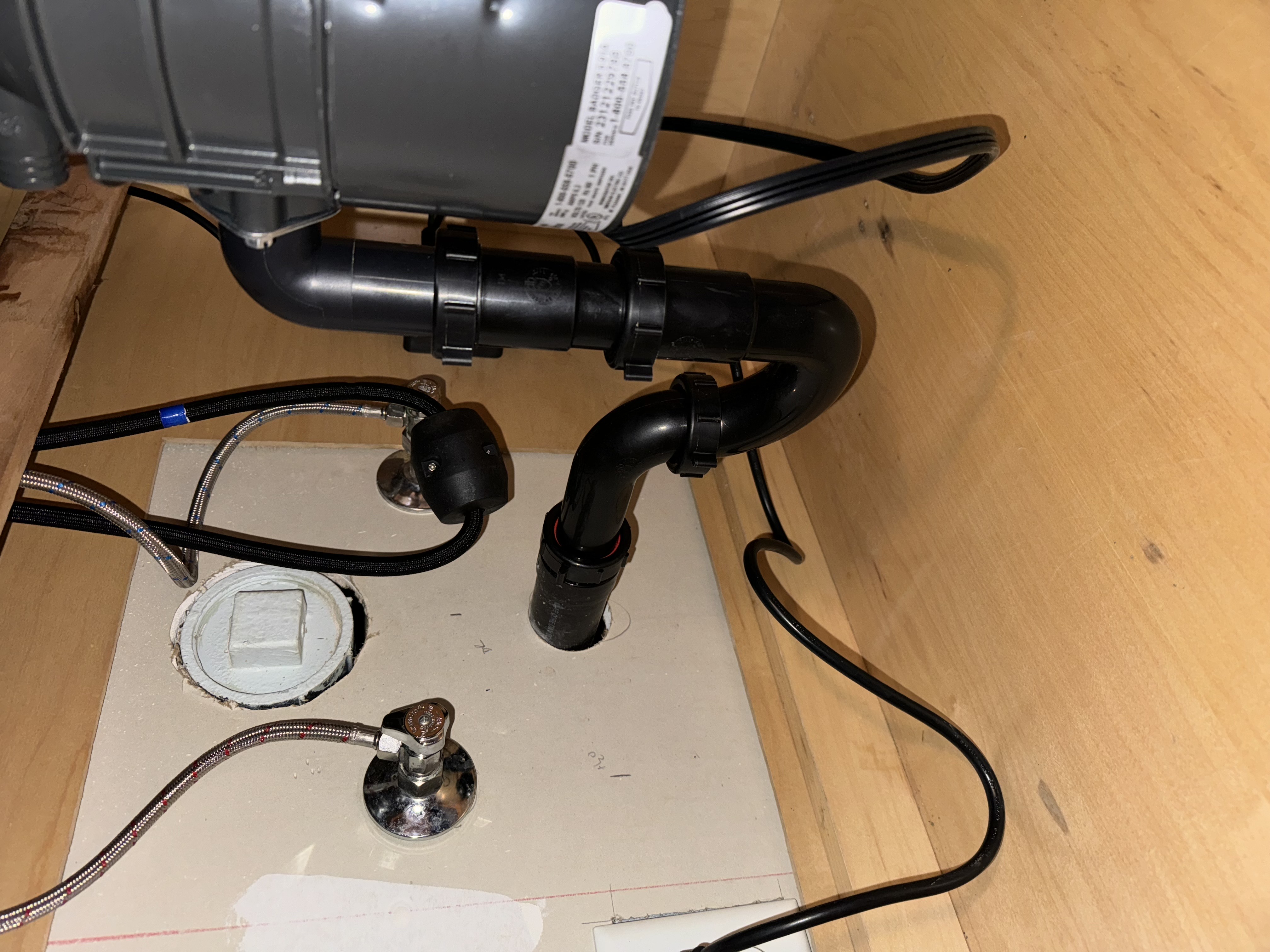
Expect a tranquil process. First, validate the leakage with the meter and isolate sections by closing branch valves where possible. Next, utilize acoustics and temperature to tighten the field before opening anything. The most effective fixing is the smallest hole, so perseverance pays. Once the burst is found, the plumbing technician will certainly cut down to appear pipe, clean or square ends, and select a repair service approach that fits the product and access. After the fix, pressure-test the area for at least 15 mins while inspecting downstream for secondary failings. Repressurizing a system can stress other weak spots.
Before leaving, a pro will explain the likely reason and deal certain, not generic, avoidance actions for your house. If you do not hear that, ask. You are paying for competence, not simply tools.
Final believed from the crawl space
Burst pipes are equal components physics and context. Water follows stress and gravity, yet houses shape the trip. The signs exist long prior to the drip hits the floor: a whisper in the wall, a cool spot underfoot, a meter that rejects to relax. Oregon City's mix of weather, topography, and real estate stock makes alertness worthwhile. If you acknowledge the patterns and relocate quickly, burst pipeline repair service becomes a targeted repair rather than a rescue mission. And the next time a cold wave rolls through, you will understand precisely where to look and what to listen for.